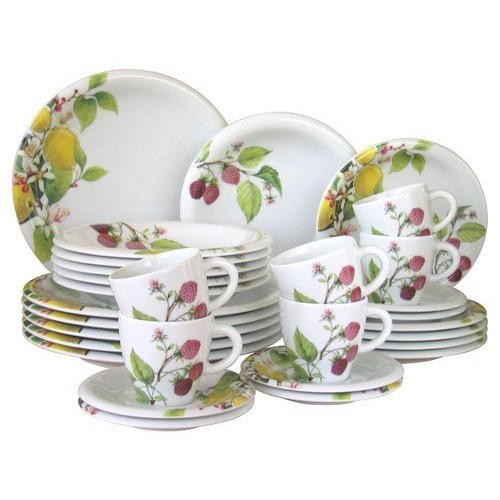
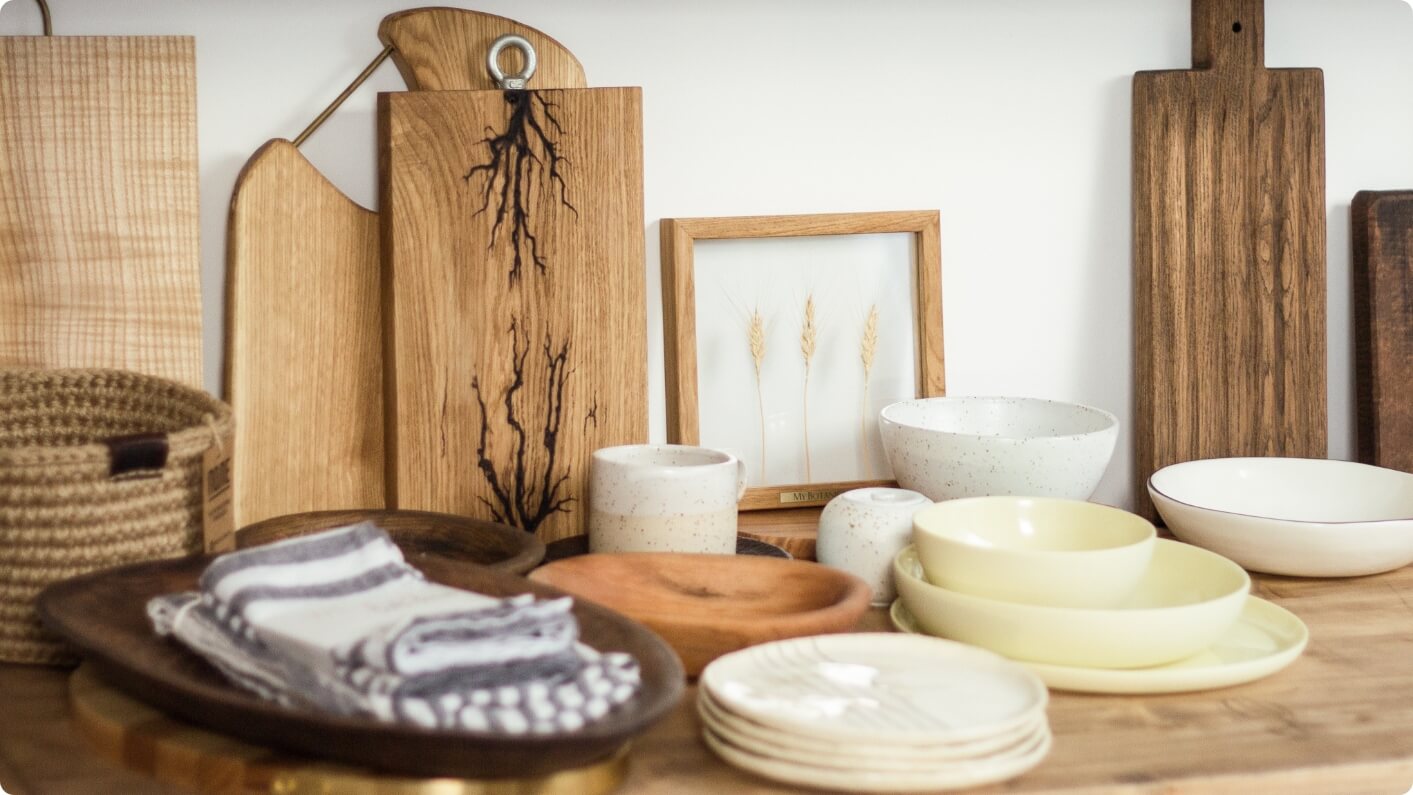
The life blood of any dining room, designed to be presentable to the highest degree.

Lorem ipsum dolor sit amet, consectetur adipiscing elit. Nulla blandit ipsum mauris. Morbi volutpat massa leo, sit amet ultricies erat varius eget. Vestibulum ante ipsum primis in faucibus orci luctus et ultrices posuere cubilia curae; Nulla nec ligula eu orci facilisis commodo. Aliquam id viverra enim.
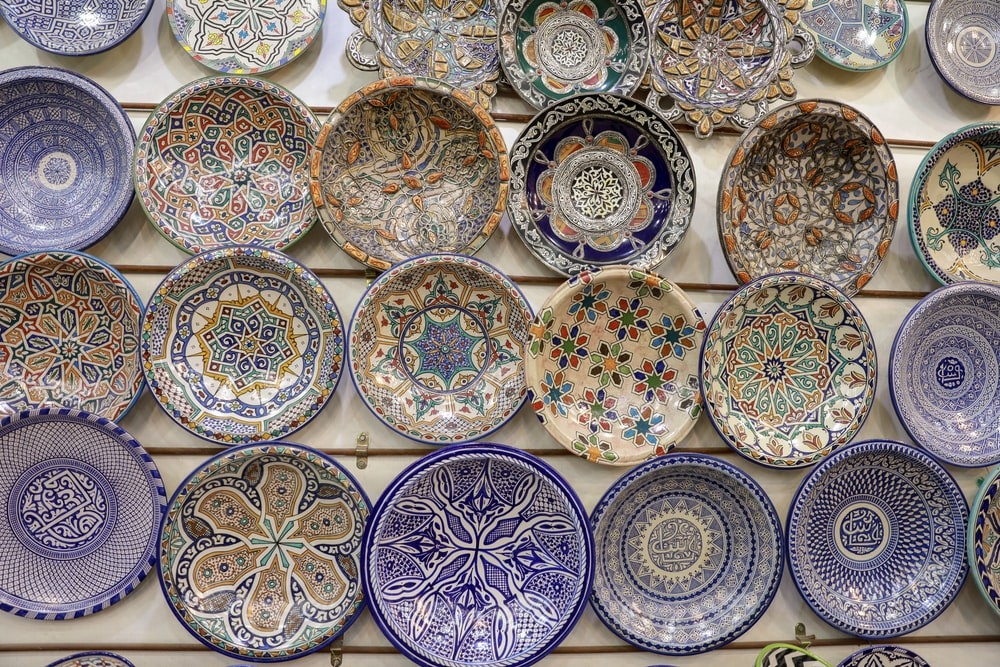
The life blood of any dining room, designed to be presentable to the highest degree.

Lorem ipsum dolor sit amet, consectetur adipiscing elit. Nulla blandit ipsum mauris. Morbi volutpat massa leo, sit amet ultricies erat varius eget. Vestibulum ante ipsum primis in faucibus orci luctus et ultrices posuere cubilia curae; Nulla nec ligula eu orci facilisis commodo. 
The life blood of any dining room, designed to be presentable to the highest degree.

Lorem ipsum dolor sit amet, consectetur adipiscing elit. Nulla blandit ipsum mauris. Morbi volutpat massa leo, sit amet ultricies erat varius eget. Vestibulum ante ipsum primis in faucibus orci luctus et ultrices posuere cubilia curae; Nulla nec ligula eu orci facilisis commodo. Aliquam id viverra enim.

Mixing the clay

  • Clay arrives by truck or rail in powder form. The powder is moistened with water and mixed in a huge tank with a paddle called a blunger. Multiple spindles mix and re-mix the clay, in order to evenly distribute water. A typical batch mixed at a large production potter is 100,000 lb (45,400 kg) and they often mix up two batches in a single day. At this point, the slurry is about 30% water.
  • Next, the slurry is filter pressed. A device presses the slurry between bags or filters (like a cider press) to force out excess water. The resulting clay is thick and rather dry and is called cake now and is about 20% water.
  • The cake is then put into a plug mill in which the clay is chopped into fine pieces. This chopping de-airs the clay as pumps suck out air pockets that are exposed by this process. The cake is then formed into cylinders that are now ready to be molded or formed.


Jiggering

The fastest way to produce a regular, hollow pot is by using a jiggering machine. Thus, hollowware such as vases is largely made on jiggering machines. The clay cylinders made in the plug mill are sent to the jiggering machine. In order to make a vase, a wet clay cylinder is dropped onto the jiggering machine by a suction arm which positions the clay inside a plaster mold. A metal arm then comes down into the wet clay cylinder forcing it against the interior wall of the plaster mold thus forming the new vessel. The plaster mold, with wet clay 

Once formed, the greenware is glazed and then fired, creating pottery.

inside, is then lifted off the machine and set in dryer. As the clay heats up and dries slightly the new, wet clay pulls away from the plaster mold and can thus be easily removed. Thus, the factory must have thousands of plaster molds in order to make these vases or other hollowware as a plaster mold is used to make each new vessel. The factory may be able to make as many as 9 pieces of pottery in a single minute.

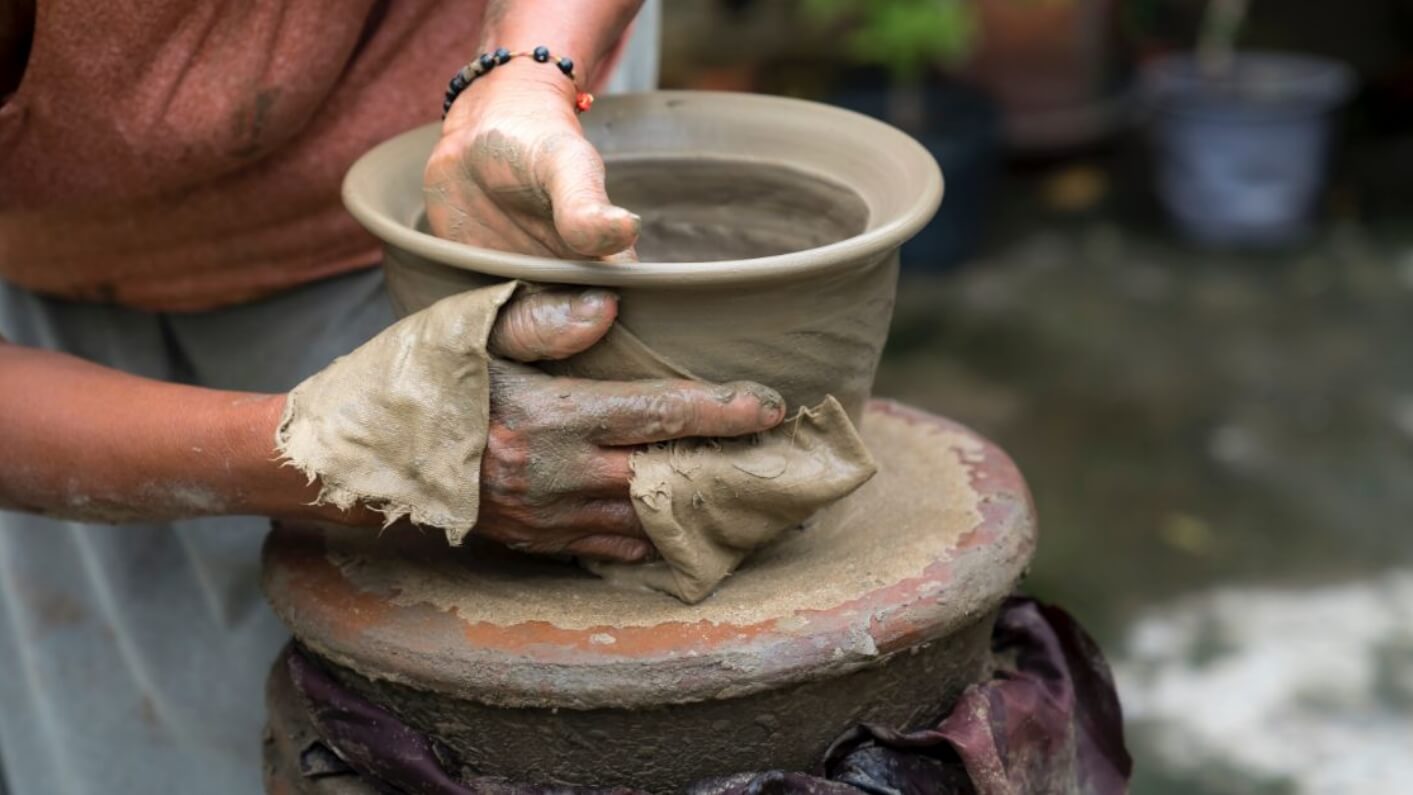
Shaping the clay through pure craftsmanship.

Curabitur in sem sem. Vestibulum dignissim lobortis posuere. Curabitur in ex vitae purus euismod feugiat at dictum mi. Nullam vitae massa bibendum, malesuada turpis at, vehicula lacus. Quisque sed tortor vel nulla congue tristique.
                                            

Shaping the clay through pure craftsmanship.

Curabitur in sem sem. Vestibulum dignissim lobortis posuere. Curabitur in ex vitae purus euismod feugiat at dictum mi. Nullam vitae massa bibendum, malesuada turpis at, vehicula lacus. Quisque sed tortor vel nulla congue tristique.
                                            

Learn and Experience the fun of shaping clay with our Master Potters